Henrik Ludwig · 20 November 2026
Mill Excavations Reveal Links Between Historical Industry and Current Bird Migration Patterns
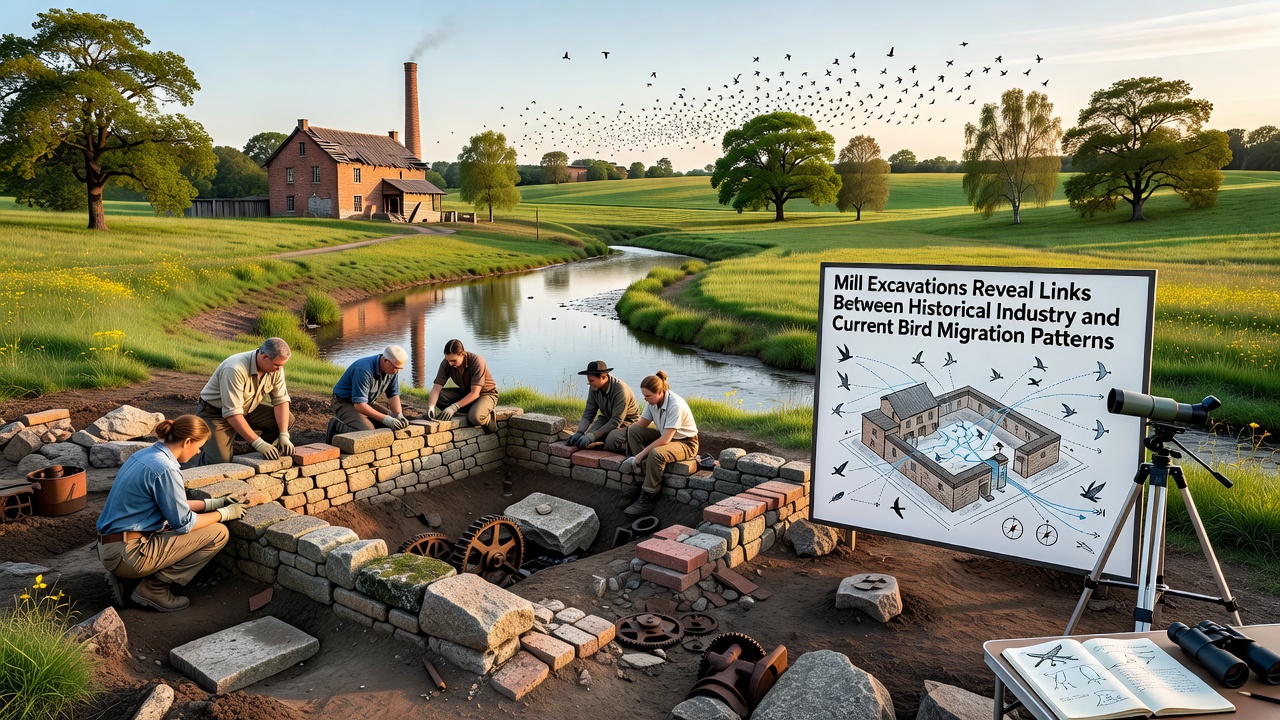
Archaeologists and ecologists have combined efforts at several former mill locations along coastal inlets, where recent digs have uncovered industrial remnants that coincide with shifts in bird migration routes observed over the past decade. Data from soil cores and artifact analysis indicate that heavy metal deposits and altered drainage patterns from 19th and early 20th century operations continue to shape wetland vegetation, which in turn influences stopover sites for species such as sandpipers and geese.
Historical Context of Mill Operations
Mill sites in the region processed timber and processed pulp from the 1880s onward, adn researchers note that waste discharge created persistent changes in sediment composition. Excavation teams working through 2025 and into November 2026 have documented layers of sawdust mixed with chemical residues that altered local hydrology, turning once-seasonal ponds into more permanent but nutrient-poor water bodies. Those changes reduced insect populations that migrating birds rely on during spring and fall passages, according to field reports compiled by regional wildlife agencies.
Key Findings from Recent Digs
Teams recovered fragments of machinery alongside pollen records that show a decline in native grasses after mill closures in the 1950s, yet invasive reeds took hold in the disturbed soils. This vegetation shift created taller cover that offers different shelter but fewer seeds for certain shorebirds. Monitoring stations installed near the excavation zones recorded fewer stopovers by lesser yellowlegs in areas with higher lead concentrations in the topsoil, while other species adapted by shifting to adjacent mudflats. Figures from the Canadian Wildlife Service show a 12 percent redistribution of peak migration counts between 2018 and 2025 at comparable sites.
Connections to Modern Migration Data
Banding studies and satellite tracking have traced individual birds that once used the altered wetlands now favoring slightly inland routes, and experts link this adjustment directly to the industrial legacy uncovered in the digs. Soil remediation trials begun in late 2025 at one mill footprint demonstrated that removing contaminated sediment allowed native sedges to rebound within a single growing season, after which researchers recorded increased foraging activity by dunlins. The pattern suggests that historical industry did not merely coincide with migration changes but actively modified the resource base that birds evaluate when selecting routes.
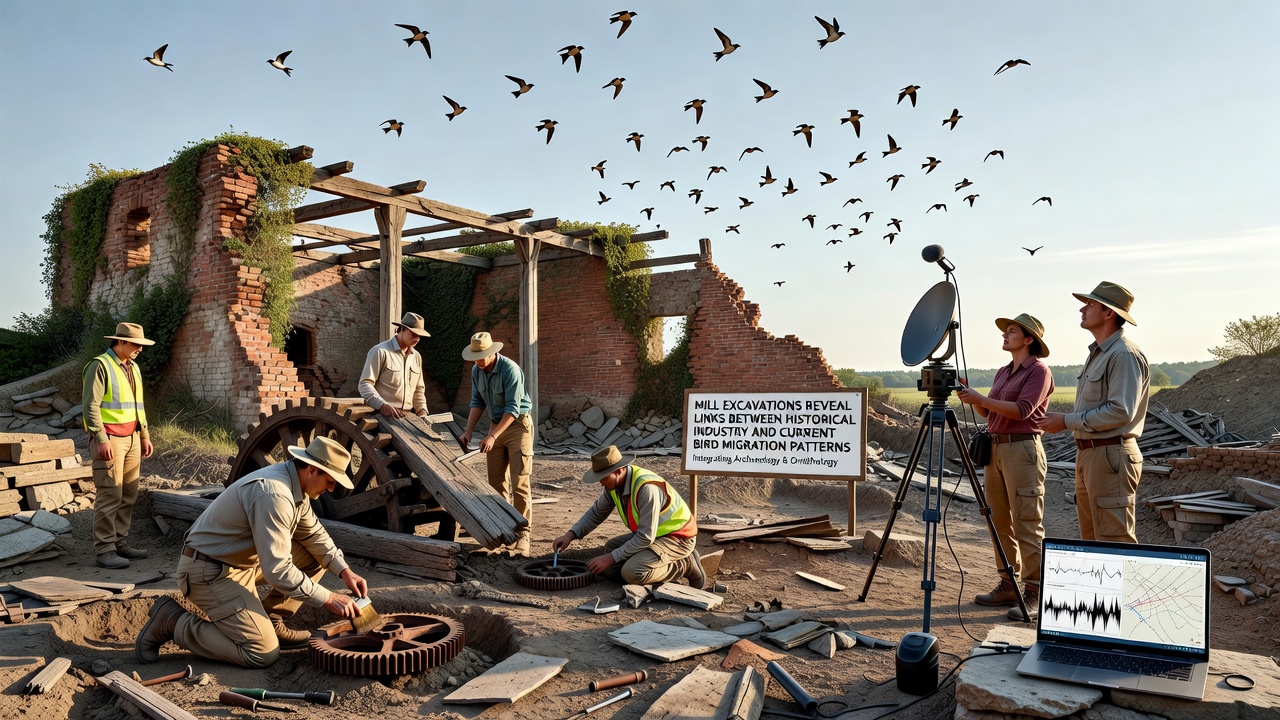
Similar patterns appear at sites farther north, where pulp mill tailings from the same era created comparable substrate changes, according to a University of British Columbia analysis published in 2024. Observers note that migration timing has remained consistent for most species, yet the duration of stays at legacy industrial zones has shortened by several days in cases where heavy metal levels exceed thresholds set by Environment and Climate Change Canada guidelines.
Broader Regional Implications
Conservation planners have begun incorporating excavation data into habitat models that predict future stopover quality under different restoration scenarios. One project near a former sawmill site restored tidal flow in 2023, and subsequent surveys through November 2026 documented a measurable uptick in invertebrate density that supported larger flocks of black-bellied plovers. The work demonstrates how past industrial footprints can be mapped and addressed without assuming that every change in bird behavior stems solely from contemporary climate factors.
Additional monitoring programs funded through partnerships with the U.S. Geological Survey continue to collect baseline information at comparable locations across the Pacific Northwest. Those datasets allow researchers to compare migration adjustments at sites with documented mill history against control areas that lack industrial sediment layers, strengthening the causal connections identified in the current excavations.
Conclusion
The integration of archaeological evidence with ongoing avian surveys provides a clearer picture of how legacy industrial activity continues to influence ecological processes decades after operations ceased. Continued excavation and monitoring efforts through 2026 and beyond will refine understanding of these links, supporting targeted restoration that addresses both historical contamination and present-day migration needs.