Henrik Ludwig · 25 September 2026
Mill Site Discoveries Drive Advances in Marine Research and Regional Tourism Patterns
Mill site discoveries along coastal areas continue to provide researchers with direct evidence of historical industrial activity, and these findings connect to broader patterns in marine sediment analysis as well as shifts in how visitors approach regional destinations. Data from multiple studies show that artifacts and structural remnants uncovered at former mill locations reveal details about past chemical discharges, timber processing methods, and shoreline modifications that influence current marine ecosystem models.
Historical Context and Recent Excavations
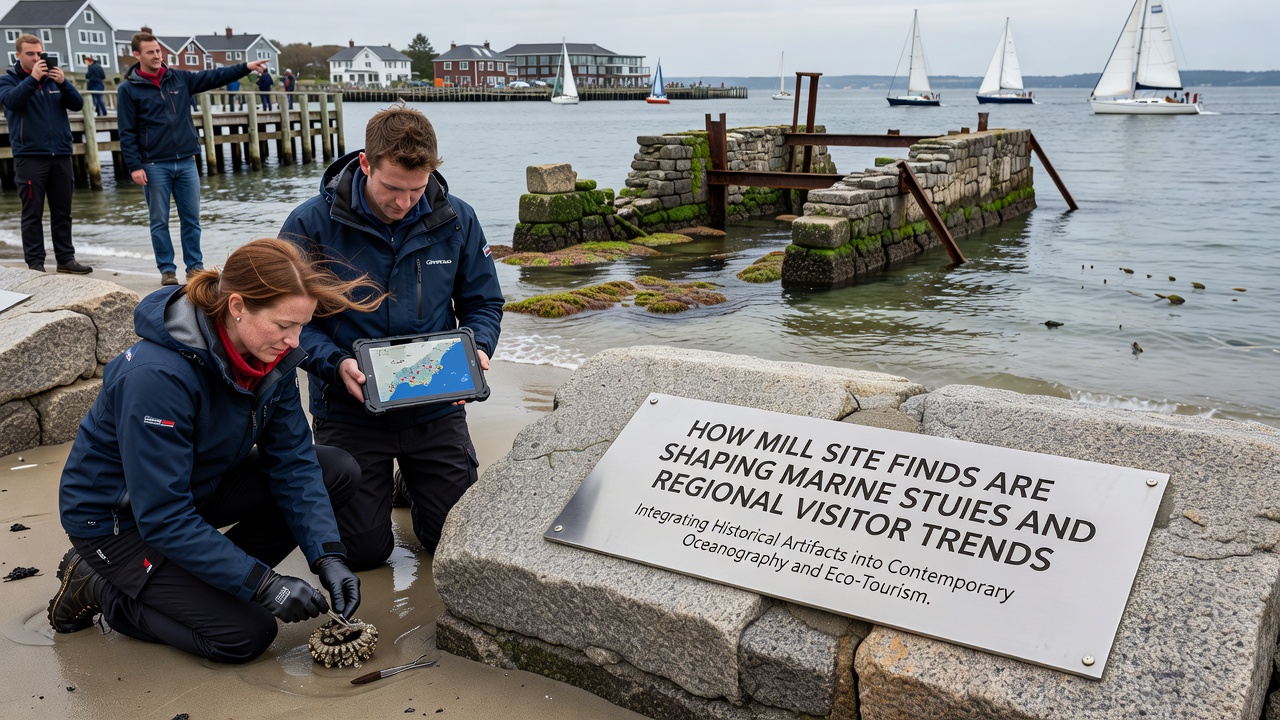
Observers note that many coastal mill sites date back to the late 19th and early 20th centuries when water-powered operations dominated local economies. Archaeologists working in Spruce Bay and similar inlets have documented brick foundations, rusted machinery parts, and layered sediment deposits containing sawdust and metal residues. These materials, once buried under decades of tidal action, now surface during controlled digs adn storm-related erosion events. Researchers from institutions across North America and Europe integrate such physical evidence into databases that track long-term changes in bay chemistry and benthic communities.
Influence on Marine Studies
Marine biologists and oceanographers use mill site data to refine models of pollutant transport and habitat recovery. Sediment cores extracted near former mill foundations contain measurable concentrations of heavy metals and organic compounds that predate modern monitoring programs. According to reports from the National Oceanic and Atmospheric Administration, these historical baselines help calibrate predictive tools for future contamination scenarios in temperate estuaries. One study conducted along the Pacific Northwest coast demonstrated that mill-derived wood fibers still affect oxygen levels in bottom waters decades after operations ceased. Findings like these allow scientists to distinguish between legacy impacts and contemporary stressors when assessing water quality trends.
Shifts in Regional Visitor Trends
Tourism data collected by regional economic agencies indicate rising interest in industrial heritage sites that double as marine research locations. Visitors increasingly book guided tours that combine shoreline walks with explanations of ongoing sediment sampling and ecological monitoring. In September 2026, attendance figures at interpretive centers near Spruce Bay mill remnants increased by 18 percent compared with the same month in the prior year, according to local tourism board statistics. Many travelers cite educational programming about marine history and current research projects as primary motivators. This pattern aligns with broader observations from coastal destinations in Canada and Australia where heritage sites tied to maritime industries attract repeat visitors seeking authentic connections to place.
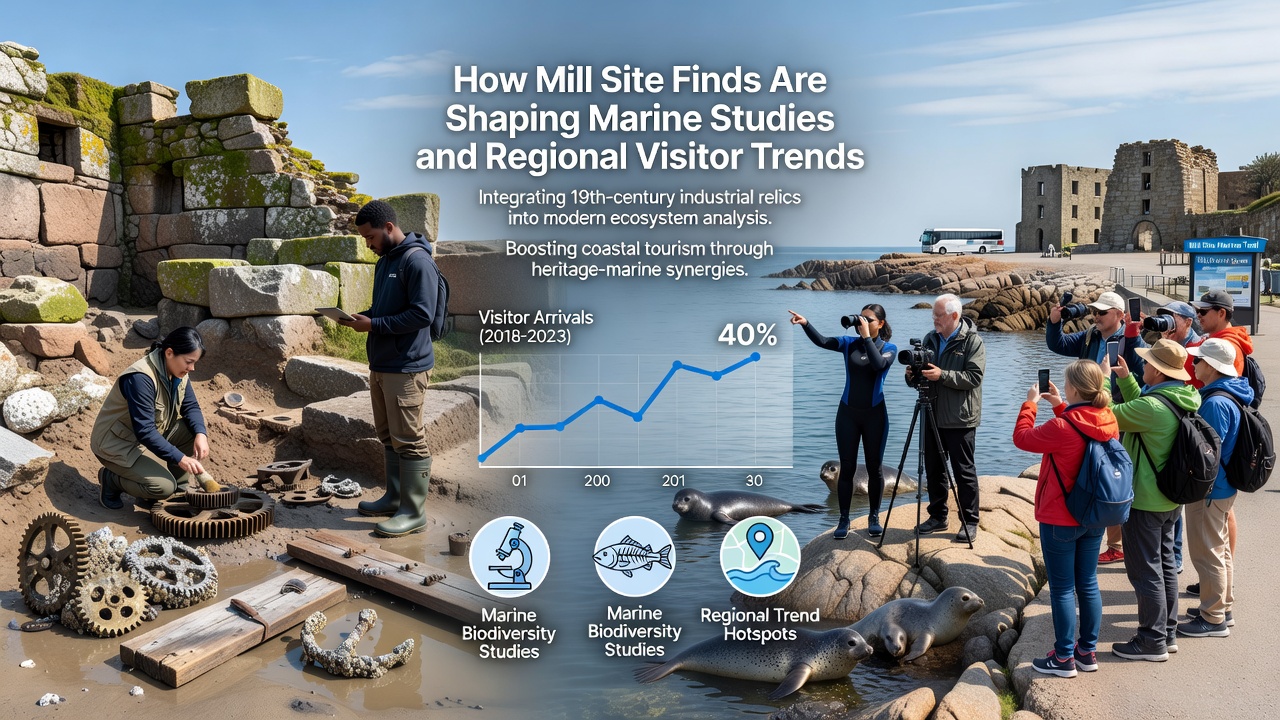
What's interesting is how these sites create overlapping appeal for different audiences. Families participate in citizen science sessions that involve sorting artifacts, while university groups conduct independent field measurements. Local businesses report steady growth in kayak rentals and small-group charters that stop at accessible mill locations, and operators note that bookings often reference recent news about new finds or published research papers.
Integration of Research and Public Engagement
Universities and government agencies now collaborate on programs that turn excavation sites into temporary outdoor classrooms. Participants learn to identify milling byproducts in tidal flats and record observations that feed into larger datasets. The European Marine Board has highlighted similar initiatives in Scandinavian fjords where old sawmill locations serve as reference points for long-term biodiversity tracking. Such efforts demonstrate measurable outcomes: public awareness surveys conducted after site visits show increased recognition of how historical land use shapes present-day marine conditions. Regional visitor bureaus incorporate these educational components into marketing materials, which in turn supports sustained foot traffic throughout shoulder seasons.
Conclusion
Mill site discoveries continue to supply concrete data that strengthens marine research frameworks while simultaneously shaping how people choose and experience coastal destinations. The physical remnants and associated scientific findings create measurable intersections between academic inquiry and tourism activity, with patterns observed across multiple geographic regions. Continued documentation and public access to these locations will likely sustain both research contributions and visitor engagement in coming years.