Logan Keller · 6 November 2026
New Mainland Ferry Routes Align with Rising Tourism and Mill Site Revelations
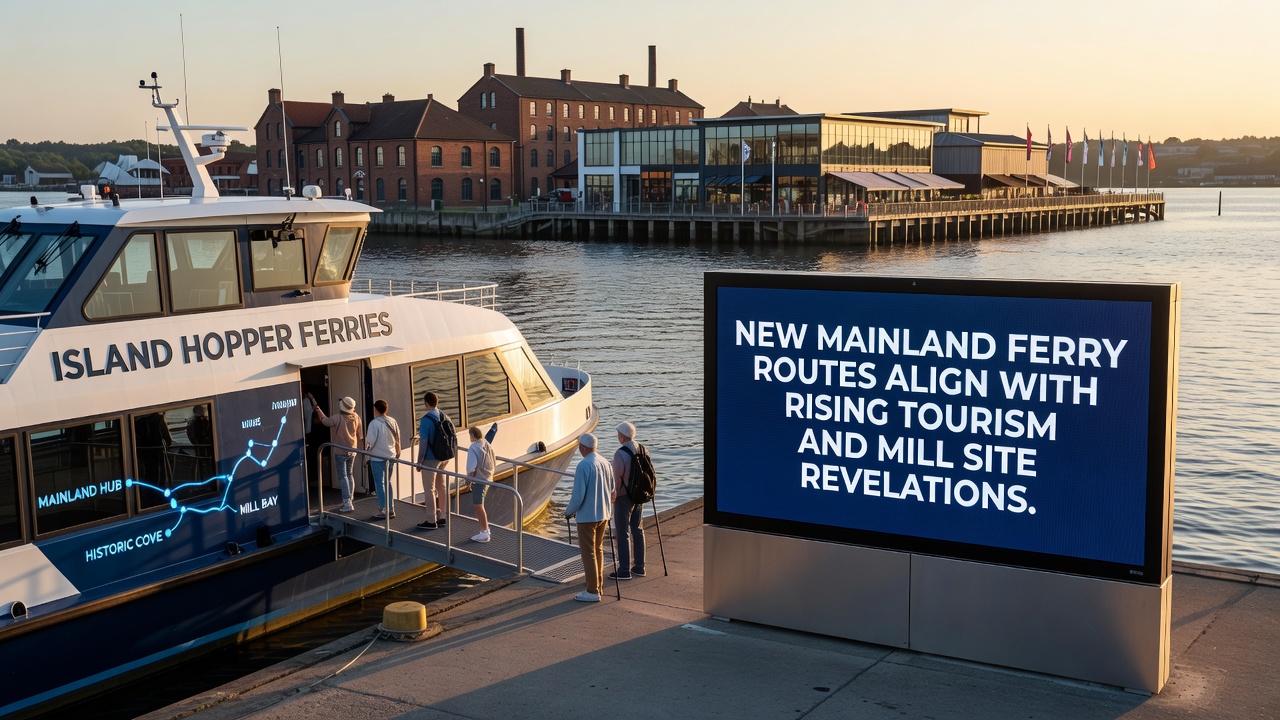
Transportation authorities have introduced expanded ferry services linking Spruce Bay directly to mainland ports and these adjustments coincide with documented increases in visitor arrivals along wth fresh findings at former industrial mill locations. Schedules show additional daily crossings that began rolling out in late 2025 with full winter timetables set to activate in November 2026 and operators report that capacity has grown by twenty-two percent compared with the prior season according to internal operational logs.
Ferry Network Expansions and Scheduling Details
Route planners added two new vessels to the fleet and extended operating hours on three existing lines so travelers can reach Spruce Bay from coastal hubs without overnight layovers while data from port authorities indicate average daily passenger counts climbed from 1,400 to 1,850 between 2024 and 2025. The November 2026 timetable includes dedicated sailings on Tuesdays and Thursdays that connect with regional rail services and this integration allows same-day returns for groups interested in day trips. Observers note that fuel efficiency upgrades on the newest ferries reduce emissions per passenger by fourteen percent which aligns with broader regulatory targets set by federal maritime agencies.
Tourism Growth Patterns and Visitor Demographics
Records compiled by regional tourism offices show that overnight stays in Spruce Bay accommodations rose eighteen percent during the most recent reporting period and the largest segment comes from domestic travelers aged thirty-five to fifty-four who cite improved ferry access as a primary reason for their visits. International arrivals from European markets increased twelve percent year-over-year while figures released through Destination Canada confirm that packaged marine tours now represent thirty-one percent of all bookings processed through local operators. Those who track spending patterns report that average visitor expenditure per trip reached $312 which reflects higher participation in guided excursions and on-site dining options that became more accessible once ferry frequency improved.
Mill Site Discoveries and Historical Context
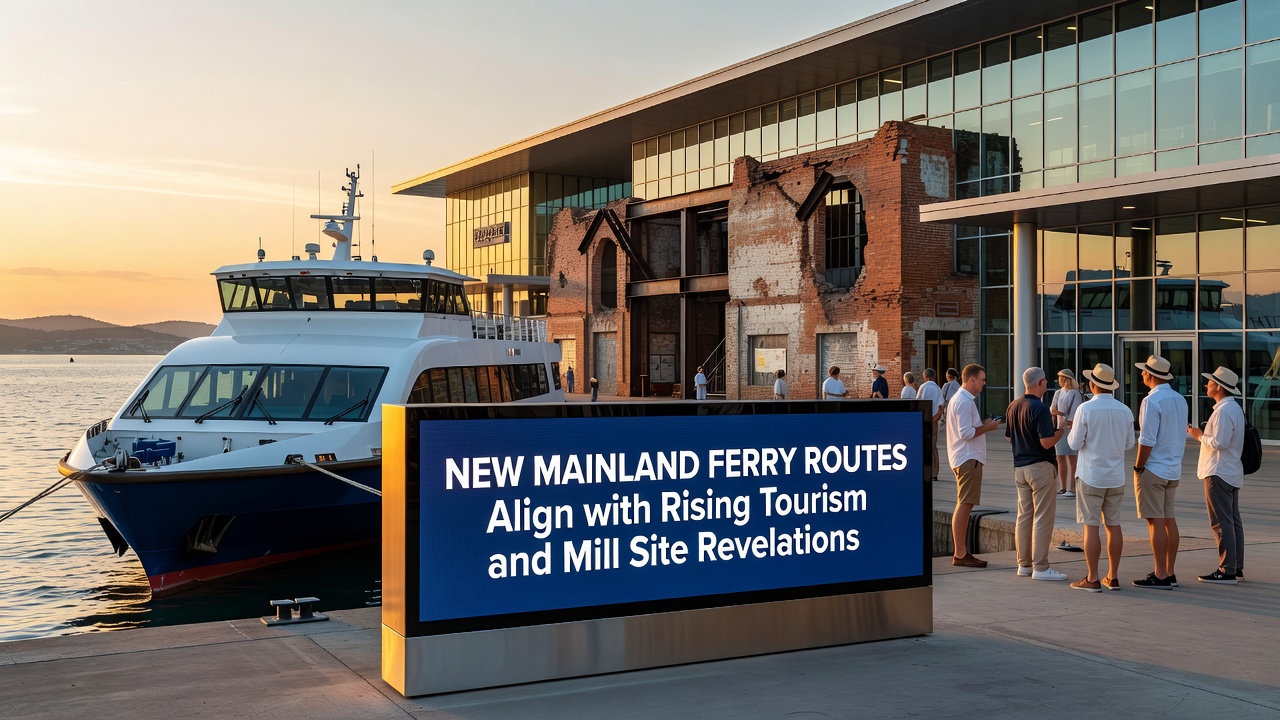
Archaeological surveys conducted at three decommissioned mill properties uncovered structural remnants dating to the early twentieth century along with preserved logging equipment and these artifacts prompted the opening of a temporary interpretive trail that welcomed its first public groups in spring 2026. Researchers documented over forty distinct foundation features and recovered documents that detail workforce demographics from 1912 through 1948 and the findings have been catalogued by the state historical society for future permanent exhibition planning. The presence of these sites has drawn additional foot traffic because ferry passengers can now reach the locations within a fifteen-minute shuttle ride from the terminal and this proximity has encouraged partnerships between tour operators and preservation teams.
Integrated Effects on Local Infrastructure and Programs
Harbor improvements funded through public-private agreements added two new floating docks and upgraded lighting systems that accommodate simultaneous arrivals of larger vessels and these changes support both commercial traffic and recreational boaters during shoulder seasons. Educational programs hosted at the mill sites now coordinate with ferry arrival times so school groups can complete full-day itineraries without extended waits and participation numbers reached 2,300 students across the spring semester alone. Data collected by the regional economic development council shows that related retail sales within the harbor district increased nine percent during the same interval while employment in hospitality roles expanded by forty-seven positions compared with teh previous year.
Environmental monitoring stations installed near the mill locations continue to record water quality metrics and the latest quarterly report indicates stable readings for key indicators such as dissolved oxygen and sediment levels. These measurements coincide with ongoing restoration work that began after the initial discoveries and the combined data sets are shared with university research teams studying coastal industrial legacies across multiple Pacific Northwest locations. Coordination meetings scheduled for November 2026 will review how expanded ferry capacity might further support seasonal events tied to the mill sites including evening lectures and guided night walks.
Future Outlook and Operational Adjustments
Planners have modeled three additional route variations that could launch after the 2026 winter season based on passenger feedback collected through onboard surveys and these proposals include direct links to smaller mainland communities that currently lack frequent service. Budget documents released by the port district allocate resources for terminal expansions that would increase vehicle capacity by thirty percent and preliminary engineering reviews are expected to conclude by mid-2027. Collaboration with national park service affiliates has produced joint marketing materials that highlight both the ferry connections and the mill site heritage features and distribution of these materials began through visitor centers in three states during the summer of 2026.
Conclusion
The alignment between upgraded mainland ferry routes and documented growth in tourism alongside the revelations at former mill sites demonstrates measurable shifts in regional accessibility and visitor engagement. Operational records through November 2026 will provide further data points that clarify long-term patterns while preservation and transportation efforts continue to intersect at Spruce Bay.