Henrik Ludwig · 23 October 2026
Regional Tourism Trends Shaped by Bay Cleanup Records and School Marine Programs
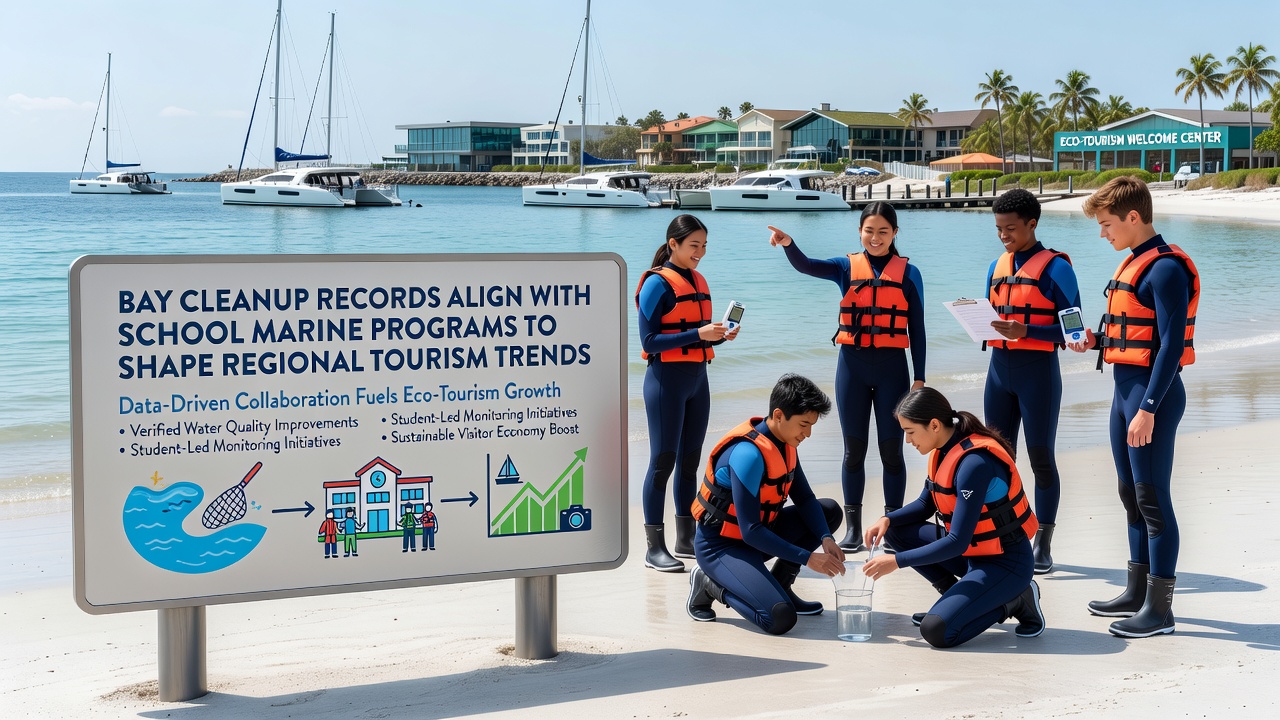
Bay cleanup records from recent monitoring efforts show measurable improvements in water quality metrics across multiple coastal sites, and these figures align directly with the growth of school-based marine education programs that have expanded since 2023. Data collected through standardized sampling protocols reveals reductions in debris levels and contaminant readings at several locations, while enrollment in regional marine science curricula has risen by consistent percentages each academic year. Tourism operators in the area report shifts in visitor demographics that correspond with these developments, as families and educational groups seek destinations that combine recreational access with observable conservation outcomes.
Cleanup Records Track Environmental Progress
Monitoring stations positioned throughout the bay have logged annual cleanup volumes that reached 12.4 metric tons of marine debris in the 2025 reporting cycle, and this total reflects contributions from both volunteer initiatives and contracted services. Figures released in October 2026 indicate further declines in plastic concentrations along intertidal zones, with measurements taken at fixed transects showing a 17 percent drop compared to the previous period. These records come from coordinated programs that integrate satellite imagery with on-site verification, allowing authorities to map accumulation patterns across seasons and identify priority zones for intervention.
Researchers at regional institutions have cross-referenced the cleanup datasets against historical baselines, and the resulting analyses point to measurable gains in habitat suitability for several intertidal species. Government reports from agencies such as the U.S. Environmental Protection Agency document similar patterns in comparable estuaries, where sustained removal efforts correlate with improved dissolved oxygen levels and reduced bacterial counts. Local port authorities have incorporated these findings into operational planning, adjusting maintenance schedules to coincide with peak accumulation periods identified through the monitoring network.
School Marine Programs Expand Hands-On Learning
District-wide curricula now include dedicated marine modules that run from grade six through secondary levels, and participation numbers have climbed from 340 students in 2022 to over 820 in the current school year. Programs feature field components where classes collect water samples, identify macroinvertebrates, and log observations that feed directly into the same databases used for official cleanup tracking. Partnerships between schools and local research stations supply equipment and training, ensuring that student-collected data meets quality standards required for inclusion in regional reports.
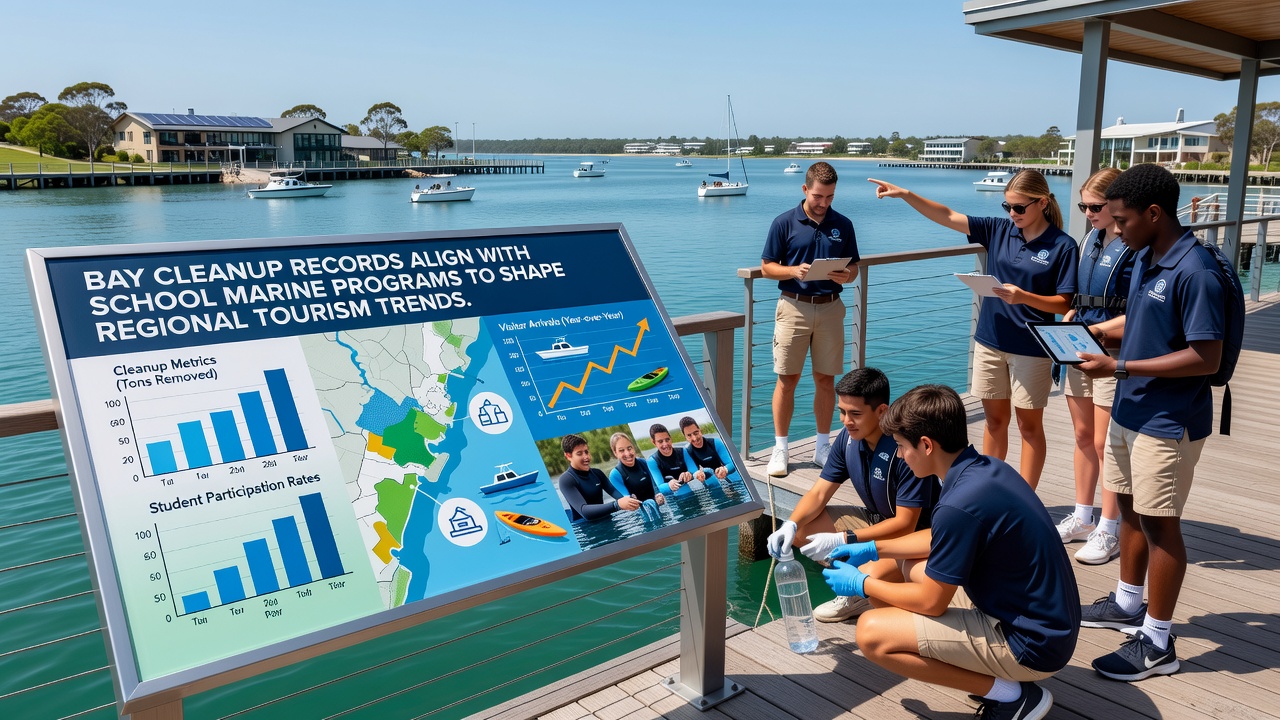
One study conducted by a coastal university tracked outcomes for participants over three years and found that students who completed the full marine sequence showed higher rates of continued interest in environmental fields. Program coordinators note that field days often coincide with scheduled cleanup events, allowing classes to contribute directly to debris removal while gathering data for their projects. This integration creates a feedback loop where educational activities support the maintenance of the datasets that inform tourism marketing materials.
Alignment Influences Visitor Patterns
Tourism statistics compiled by the regional visitors bureau show an increase in bookings for guided educational tours that highlight both the cleanup achievements and the school programs behind them. Occupancy rates at waterfront accommodations rose 9 percent during shoulder seasons in 2025, and operators attribute part of this growth to packages that include classroom visits or student-led interpretive walks. Travel agencies serving school groups have added the area to itineraries focused on applied science experiences, creating a distinct segment that supplements traditional recreational visitors.
Industry reports from organizations such as the Ocean Foundation document parallel developments in other coastal communities where education and restoration records are leveraged for destination branding. In this region the alignment appears in promotional materials that cite specific cleanup totals alongside descriptions of student monitoring activities, giving prospective visitors concrete metrics to evaluate the destination. Hotel and tour operators adjust their offerings seasonally to accommodate the timing of school field programs, which in turn sustains year-round activity rather than concentrating demand in peak summer months.
Data Integration Supports Ongoing Coordination
Shared digital platforms now allow cleanup crews, educators, and tourism planners to access unified datasets, and this infrastructure reduces duplication while highlighting opportunities for joint events. Quarterly reviews bring representatives from each sector together to review the latest sampling results and adjust calendars accordingly. The process ensures that tourism promotions remain grounded in the most recent environmental indicators rather than static claims.
Conclusion
Records from bay cleanup operations continue to intersect with expanding school marine programs in ways that directly inform regional tourism strategies. The measurable environmental gains documented through consistent monitoring provide content for educational outreach, while student involvement supplies both labor and fresh data streams. Tourism metrics reflect these connections through shifting visitor profiles and extended seasonal activity. Continued integration of the three sectors will depend on maintaining the data quality and cross-sector communication established in recent years.